Chondromalacia Patellae – Causes, Symptoms, Treatment & Prevention
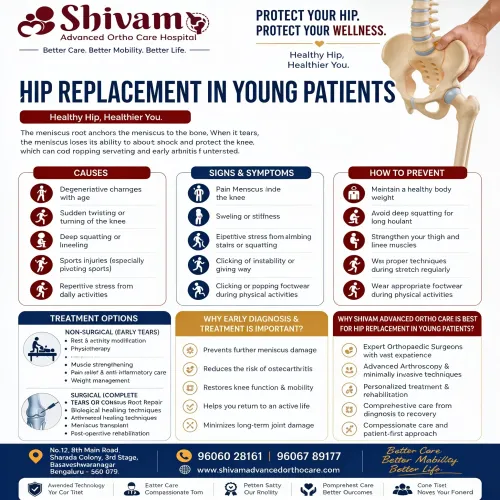
Knee pain while climbing stairs, getting up from a chair, or sitting for long hours can sometimes be more than simple strain. One common cause of such pain is Chondromalacia Patellae, also known as “Runner’s Knee.” It is a condition where the cartilage beneath the kneecap (patella) becomes soft, irritated, or damaged, leading to pain and discomfort around the front of the knee.
At Shivam Advanced Ortho Care, we regularly treat patients suffering from knee pain due to chondromalacia patellae using advanced, evidence-based orthopedic care.
What is Chondromalacia Patellae?
The patella, or kneecap, normally glides smoothly over the thigh bone (femur) during knee movement. A layer of cartilage beneath the kneecap helps reduce friction and absorbs shock. In chondromalacia patellae, this cartilage becomes worn out or softened, causing inflammation and pain.
This condition is commonly seen in:
Young adults and athletes
People involved in running, cycling, or jumping sports
Individuals with obesity
Patients with muscle imbalance around the knee
People with improper kneecap alignment
If left untreated, the condition may gradually worsen and interfere with daily activities.
Symptoms of Chondromalacia Patellae
Patients with chondromalacia patellae commonly experience:
Pain in the front of the knee
Pain while climbing or descending stairs
Discomfort after sitting for long periods (“movie-goer’s knee”)
Grinding or cracking sensation in the knee
Swelling around the kneecap
Pain during squatting, kneeling, or running
Weakness or instability around the knee
The symptoms usually worsen with activity and improve with rest in the early stages.
Causes and Risk Factors
Several factors can contribute to the development of chondromalacia patellae, including:
Overuse of the knee joint
Repetitive stress from sports or gym activities
Weak thigh muscles (quadriceps weakness)
Tight hamstring or calf muscles
Poor kneecap alignment
Flat feet or abnormal walking pattern
Previous knee injuries or trauma
Excess body weight increasing pressure on the knee joint
Early diagnosis and correction of these factors are important to prevent long-term cartilage damage.
How is Chondromalacia Patellae Diagnosed?
An orthopedic specialist evaluates the condition through:
Detailed clinical examination
Assessment of knee alignment and movement
Evaluation of muscle strength and flexibility
Investigations may include:
X-rays
MRI scans to assess cartilage damage
Gait and biomechanical assessment in selected patients
At Shivam Advanced Ortho Care, we focus on identifying the root cause of knee pain rather than simply treating symptoms.
Treatment for Chondromalacia Patellae
Treatment depends on the severity of cartilage damage and the patient’s activity level.
1. Conservative (Non-Surgical) Treatment
Most patients improve with non-surgical management, including:
Rest and activity modification
Ice application to reduce pain and swelling
Anti-inflammatory medications
Physiotherapy and muscle strengthening exercises
Quadriceps and hip strengthening
Stretching exercises for tight muscles
Weight management
Knee braces or taping techniques
Footwear correction or orthotics if required
Physiotherapy plays a major role in improving kneecap tracking and reducing stress on the cartilage.
2. Injection Therapy
In selected patients, advanced treatments such as:
PRP (Platelet-Rich Plasma) injections
Hyaluronic acid injections
may help reduce pain and improve knee function.
3. Surgical Treatment
Surgery is considered only when conservative treatment fails or when there is severe cartilage damage. Arthroscopic procedures may be used to:
Smooth damaged cartilage
Correct kneecap alignment
Treat associated knee problems
Our goal is always to avoid surgery whenever possible through early and effective treatment.
Tips to Prevent Chondromalacia Patellae
Maintain a healthy body weight
Warm up before exercise
Strengthen thigh and hip muscles
Avoid sudden increase in workout intensity
Use proper footwear
Practice correct exercise techniques
Avoid repetitive stress on the knees
Early attention to knee pain can prevent long-term joint damage.
Why Choose Shivam Advanced Ortho Care for Chondromalacia Patellae Treatment?
At Shivam Advanced Ortho Care, we provide comprehensive and personalized treatment for knee pain and cartilage-related conditions.
What makes us different?
Expert orthopedic evaluation by experienced specialists
Accurate diagnosis with advanced assessment
Personalized physiotherapy and rehabilitation plans
Advanced non-surgical treatment options including PRP therapy
Patient-focused care with long-term recovery goals
Modern treatment approach aimed at restoring mobility and reducing pain
Under the guidance of Dr. Amardeep M R, our team is committed to helping patients return to pain-free movement and an active lifestyle.
Conclusion
Chondromalacia patellae is a common but treatable cause of knee pain. Ignoring early symptoms may lead to worsening cartilage damage and chronic discomfort. With timely diagnosis, proper rehabilitation, and expert orthopedic care, most patients can recover successfully without surgery.
If you are experiencing persistent knee pain, difficulty climbing stairs, or discomfort during activity, visit Shivam Advanced Ortho Care for expert evaluation and advanced treatment options.
Knee pain while climbing stairs, getting up from a chair, or sitting for long hours can sometimes be more than simple strain. One common cause of such pain is Chondromalacia Patellae, also known as “Runner’s Knee.” It is a condition where the cartilage beneath the kneecap (patella) becomes soft, irritated, or damaged, leading to pain and discomfort around the front of the knee.
At Shivam Advanced Ortho Care, we regularly treat patients suffering from knee pain due to chondromalacia patellae using advanced, evidence-based orthopedic care.
What is Chondromalacia Patellae?
The patella, or kneecap, normally glides smoothly over the thigh bone (femur) during knee movement. A layer of cartilage beneath the kneecap helps reduce friction and absorbs shock. In chondromalacia patellae, this cartilage becomes worn out or softened, causing inflammation and pain.
This condition is commonly seen in:
Young adults and athletes
People involved in running, cycling, or jumping sports
Individuals with obesity
Patients with muscle imbalance around the knee
People with improper kneecap alignment
If left untreated, the condition may gradually worsen and interfere with daily activities.
Symptoms of Chondromalacia Patellae
Patients with chondromalacia patellae commonly experience:
Pain in the front of the knee
Pain while climbing or descending stairs
Discomfort after sitting for long periods (“movie-goer’s knee”)
Grinding or cracking sensation in the knee
Swelling around the kneecap
Pain during squatting, kneeling, or running
Weakness or instability around the knee
The symptoms usually worsen with activity and improve with rest in the early stages.
Causes and Risk Factors
Several factors can contribute to the development of chondromalacia patellae, including:
Overuse of the knee joint
Repetitive stress from sports or gym activities
Weak thigh muscles (quadriceps weakness)
Tight hamstring or calf muscles
Poor kneecap alignment
Flat feet or abnormal walking pattern
Previous knee injuries or trauma
Excess body weight increasing pressure on the knee joint
Early diagnosis and correction of these factors are important to prevent long-term cartilage damage.
How is Chondromalacia Patellae Diagnosed?
An orthopedic specialist evaluates the condition through:
Detailed clinical examination
Assessment of knee alignment and movement
Evaluation of muscle strength and flexibility
Investigations may include:
X-rays
MRI scans to assess cartilage damage
Gait and biomechanical assessment in selected patients
At Shivam Advanced Ortho Care, we focus on identifying the root cause of knee pain rather than simply treating symptoms.
Treatment for Chondromalacia Patellae
Treatment depends on the severity of cartilage damage and the patient’s activity level.
1. Conservative (Non-Surgical) Treatment
Most patients improve with non-surgical management, including:
Rest and activity modification
Ice application to reduce pain and swelling
Anti-inflammatory medications
Physiotherapy and muscle strengthening exercises
Quadriceps and hip strengthening
Stretching exercises for tight muscles
Weight management
Knee braces or taping techniques
Footwear correction or orthotics if required
Physiotherapy plays a major role in improving kneecap tracking and reducing stress on the cartilage.
2. Injection Therapy
In selected patients, advanced treatments such as:
PRP (Platelet-Rich Plasma) injections
Hyaluronic acid injections
may help reduce pain and improve knee function.
3. Surgical Treatment
Surgery is considered only when conservative treatment fails or when there is severe cartilage damage. Arthroscopic procedures may be used to:
Smooth damaged cartilage
Correct kneecap alignment
Treat associated knee problems
Our goal is always to avoid surgery whenever possible through early and effective treatment.
Tips to Prevent Chondromalacia Patellae
Maintain a healthy body weight
Warm up before exercise
Strengthen thigh and hip muscles
Avoid sudden increase in workout intensity
Use proper footwear
Practice correct exercise techniques
Avoid repetitive stress on the knees
Early attention to knee pain can prevent long-term joint damage.
Why Choose Shivam Advanced Ortho Care for Chondromalacia Patellae Treatment?
At Shivam Advanced Ortho Care, we provide comprehensive and personalized treatment for knee pain and cartilage-related conditions.
What makes us different?
Expert orthopedic evaluation by experienced specialists
Accurate diagnosis with advanced assessment
Personalized physiotherapy and rehabilitation plans
Advanced non-surgical treatment options including PRP therapy
Patient-focused care with long-term recovery goals
Modern treatment approach aimed at restoring mobility and reducing pain
Under the guidance of Dr. Amardeep M R, our team is committed to helping patients return to pain-free movement and an active lifestyle.
Conclusion
Chondromalacia patellae is a common but treatable cause of knee pain. Ignoring early symptoms may lead to worsening cartilage damage and chronic discomfort. With timely diagnosis, proper rehabilitation, and expert orthopedic care, most patients can recover successfully without surgery.
If you are experiencing persistent knee pain, difficulty climbing stairs, or discomfort during activity, visit Shivam Advanced Ortho Care for expert evaluation and advanced treatment options.
Keywords